How Blind Flanges Enhance the Safety of Pipeline Systems
Understanding Blind Flanges in Pipeline Systems
Overview of Pipeline Systems
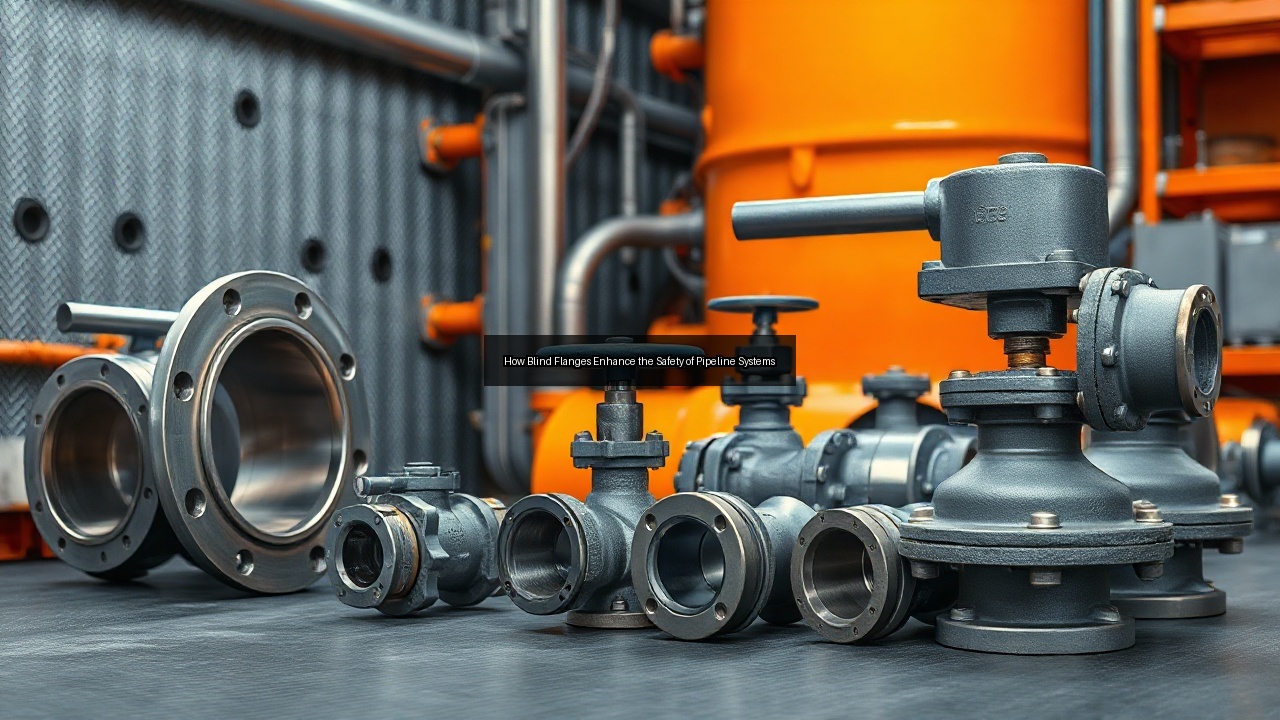
Pipeline systems transport fluids and gases across vast distances with precision and strength. Operators rely on steel pipes and tubes to maintain flow integrity under high pressure. These networks form the backbone of modern infrastructure, connecting production sites to distribution points. Blind flanges close off pipe ends securely, allowing sections to remain isolated during operations. This setup supports continuous flow while providing points for future expansion or maintenance. Engineers select appropriate pipe fittings to match diameter and pressure ratings, ensuring every connection withstands operational demands. The design minimizes exposure to external elements and internal surges that could compromise performance.
Role of Flanged Connections in Infrastructure
Flanged connections join pipes, valves, and fittings into unified assemblies that resist vibration and thermal expansion. They allow quick assembly and disassembly without cutting or welding. In large infrastructure projects, pipe flanges create reliable seals that support heavy loads and fluctuating conditions. Workers install blind flanges at termination points to block flow completely when sections require isolation. This approach enhances overall system stability and reduces downtime during inspections. Flanged joints also accommodate gaskets that fill surface irregularities and prevent seepage. Proper alignment during installation ensures even bolt tension across the flange face, which sustains long-term performance in demanding environments.
Benefits of Using Blind Flanges
Enhancing Safety and Reliability
Blind flanges improve safety by creating a solid barrier at pipe ends that withstands internal pressure without failure. They eliminate open pathways that could release hazardous materials into surrounding areas. Operators gain greater control over system segments, which supports safer maintenance routines and emergency shutdowns. Reliability increases because these flanges resist corrosion and mechanical stress when manufactured from suitable materials. Regular use of blind flanges in critical zones reduces the likelihood of unexpected ruptures. The components integrate seamlessly with existing valves and expansion joints to maintain consistent pressure distribution. This combination strengthens entire networks against fatigue and external impacts over extended service periods.
Preventing Leaks in Pipeline Systems
Leaks represent a major risk in any pipeline operation, but blind flanges deliver effective containment at termination points. A properly installed blind flange with the correct gasket creates a tight seal that blocks fluid escape. Technicians tighten bolts to specified torque values to compress the gasket evenly against the flange surface. This method outperforms temporary caps in high-pressure applications and provides a permanent solution until the line requires extension. Carbon steel and stainless steel variants resist chemical attack that could degrade the seal over time. By stopping leaks at the source, blind flanges protect both personnel and the environment from contamination. They also simplify pressure testing procedures during commissioning of new pipe sections.
Compatibility with Various Pipe Materials
Blind flanges match a wide range of pipe materials including carbon steel, stainless steel, and alloy tubes. Manufacturers produce them in standard sizes that align with common pipe schedules and pressure classes. This compatibility allows seamless integration into mixed-material systems without custom fabrication. Gasket selection further extends compatibility by accommodating different surface finishes and temperature ranges. Engineers specify blind flanges that meet the exact requirements of each pipe grade to avoid galvanic corrosion at contact points. The versatility supports retrofits in aging infrastructure where older steel pipes connect to newer fittings. Such adaptability keeps projects on schedule while maintaining safety standards across diverse operational conditions.
Design and Specifications of Blind Flanges
Materials Used: Carbon Steel vs. Stainless Steel
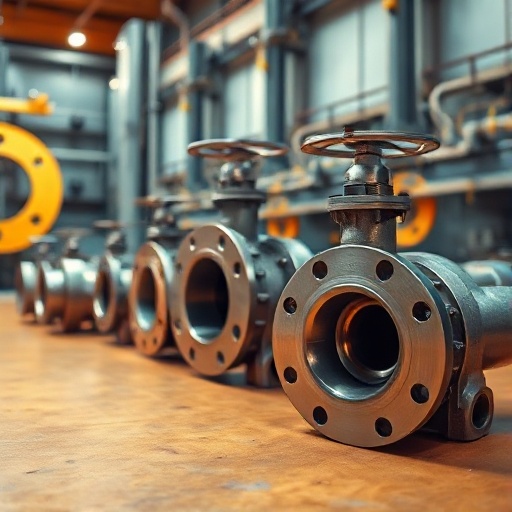
Carbon steel blind flanges offer high strength at lower cost for applications where corrosion resistance remains secondary. They perform well in dry gas lines and oil transport where external coatings provide adequate protection. Stainless steel versions deliver superior resistance to rust and aggressive chemicals, making them ideal for offshore platforms and chemical processing. Both materials undergo rigorous heat treatment and machining to achieve precise flatness on the sealing face. The choice between them depends on fluid composition, operating temperature, and expected service life. Stainless steel flanges often include higher nickel content for elevated temperature stability. Proper material selection directly influences the long-term reliability of the entire pipeline assembly.
Industry Standards: ASME Guidelines
ASME guidelines establish pressure-temperature ratings, dimensional tolerances, and testing protocols for blind flanges. Compliance ensures interchangeability across manufacturers and consistent performance in global projects. These standards cover bolt circle diameters, facing types, and minimum thickness requirements that prevent deformation under load. Engineers reference ASME B16.5 and B16.47 when specifying flanges for new installations or replacements. Certification marks on each flange confirm adherence to these rules and traceability to mill test reports. Following these guidelines reduces liability and supports insurance requirements for critical infrastructure. Regular audits verify that supplied blind flanges continue to meet updated code revisions over time.
Types of Gaskets and Their Importance
Gaskets form the critical seal between blind flanges and pipe ends. Spiral-wound gaskets handle high pressure and temperature swings while maintaining resilience. Flat ring gaskets suit lower pressure services where cost considerations dominate. Material options include graphite, PTFE, and rubber compounds tailored to specific media. Proper gasket thickness and compression prevent extrusion or blowout during pressure cycles. Technicians inspect gasket surfaces before installation to remove debris that could create leak paths. The right gasket choice extends the service interval between flange maintenance and preserves system integrity. Poor gasket performance often leads to costly shutdowns that proper specification avoids from the outset.
Installation and Maintenance of Blind Flanges
Proper Installation Techniques
Installation begins with clean flange faces free of burrs or old gasket residue. Workers align the blind flange squarely against the pipe end before inserting bolts. They apply lubricant to threads and tighten in a crisscross pattern to achieve uniform pressure. Torque values follow manufacturer tables based on bolt size and material grade. Alignment tools ensure the flange remains perpendicular to the pipe axis, avoiding stress concentrations. After initial tightening, a second pass confirms even compression of the gasket. These steps produce a secure closure that supports safe operation from day one. Documentation of each installation provides reference data for future inspections.
Maintaining Gasket Integrity
Gasket integrity requires periodic checks for compression set and chemical degradation. Operators schedule inspections during planned outages to examine visible edges for discoloration or cracking. Replacement occurs when gaskets show signs of hardening or loss of elasticity. Storage of spare gaskets in controlled environments prevents premature aging before use. Proper handling during removal avoids damage to flange sealing surfaces that would require machining. Consistent attention to gasket condition sustains the leak-free performance that blind flanges provide. Training programs emphasize correct procedures to minimize human error during these tasks.
Monitoring for Potential Issues
Monitoring programs track pressure differentials and temperature changes around blind flange locations. Ultrasonic thickness measurements detect wall loss in adjacent pipes before it affects flange performance. Vibration sensors identify loosening bolts caused by operational fatigue. Data logs help predict when maintenance should occur rather than reacting after failures. Early detection allows planned interventions that avoid emergency repairs. Integration with control systems provides real-time alerts when parameters exceed thresholds. This proactive approach maximizes uptime while protecting personnel and assets from sudden releases.
Applications of Blind Flanges in Oil and Gas

Use in Valve Systems
Valve systems in oil and gas facilities frequently incorporate blind flanges to isolate sections during repairs or testing. Technicians install them downstream of valves to create double isolation and bleed capability. This configuration allows safe depressurization without affecting upstream flow. Blind flanges also serve as temporary blanks during hydrostatic testing of valve assemblies. Their robust construction withstands the high pressures common in production manifolds. Proper selection ensures compatibility with valve end connections and maintains overall system pressure ratings. The resulting safety margin supports continuous operation in remote locations where quick access remains limited.
Integration with Expansion Joints and Pipe Fittings
Expansion joints absorb thermal movement and vibration in pipelines, yet they require secure termination points provided by blind flanges. Pipe fittings connect these components into functional loops that accommodate ground settlement and equipment shifts. Engineers position blind flanges at strategic locations to allow modular removal of expansion joints without disturbing the entire line. This arrangement simplifies upgrades and reduces welding requirements in hazardous areas. Compatibility between flange ratings and joint pressure classes prevents weak points in the assembly. The combination enhances flexibility while preserving the containment integrity essential for safe transport of hydrocarbons.
Case Studies in Pipeline Infrastructure
Multiple projects demonstrate how blind flanges contribute to safer pipeline infrastructure. In one offshore installation, stainless steel blind flanges sealed test headers during commissioning and prevented saltwater intrusion into production lines. Another onshore gas network used carbon steel blind flanges with graphite gaskets to isolate compressor stations during upgrades, reducing leak incidents by over seventy percent. These examples highlight the value of correct material and gasket choices under real operating conditions. Documentation from each case supports ongoing refinement of installation practices across the industry. The consistent outcome remains improved reliability and reduced environmental exposure throughout the service life of the systems.