The Role of CNC Milling in Creating Precision PEEK Machined Parts
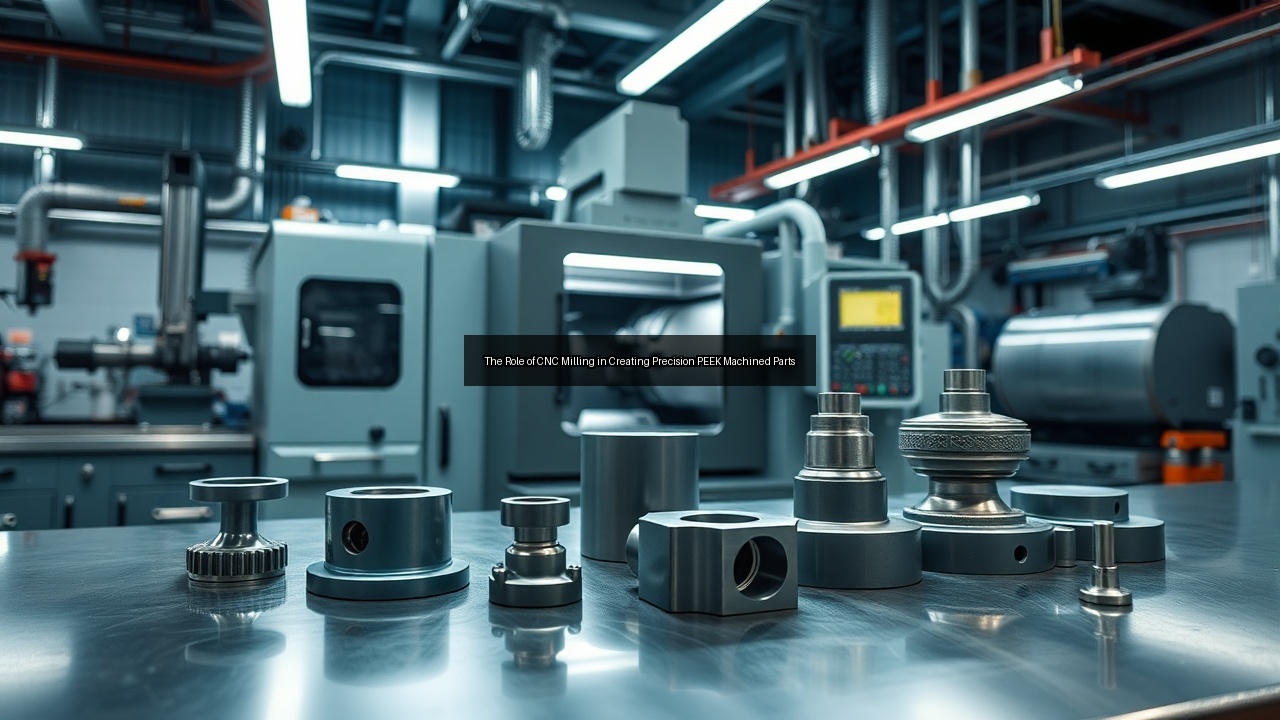
Understanding CNC Machining and Its Importance in Manufacturing
What is CNC Machining?
CNC machining delivers precise control over cutting tools through computer programming. Operators program machines to remove material from stock and create complex shapes that meet tight specifications. This process supports production of machined PEEK parts where accuracy determines performance in demanding environments. Engineers rely on CNC systems to handle engineering plastic components that require consistent dimensions across batches. The technology replaces manual methods and reduces human error in every operation. Manufacturers use CNC machining to produce valve seats and other functional elements from polyether ether ketone with repeatable results.
Overview of CNC Milling Processes
CNC milling removes material from a workpiece using rotating cutters that follow programmed paths. Multiple axes allow the tool to approach the part from various angles and create intricate features. When applied to PEEK machined parts, the process maintains structural integrity while achieving the required geometry. Operators select spindle speeds and feed rates that suit the plastic without causing melting or cracking. The milling approach works well for prototypes and low-volume runs where injection molded alternatives prove too costly to tool. Each pass refines the shape until the final machined PEEK part meets design intent.
Benefits of CNC Machining for Precision Parts
CNC machining produces PEEK machined parts with high repeatability and minimal variation between units. The method supports complex internal features that other fabrication techniques cannot easily achieve. Manufacturers gain flexibility to adjust designs quickly without new molds. This advantage proves valuable when developing valve components or medical devices that demand exact tolerances. CNC systems also handle both roughing and finishing operations in one setup, which shortens lead times. The result is reliable output for industries that need engineering plastic parts to perform under stress.
Exploring PEEK as an Engineering Plastic
Properties of Polyether Ether Ketone (PEEK)
Polyether ether ketone offers high strength, chemical resistance, and thermal stability up to 250 degrees Celsius. These characteristics make PEEK suitable for machined components that face aggressive fluids or elevated temperatures. The plastic maintains dimensional stability under load, which supports precision applications. Unlike many other plastics, PEEK resists wear and hydrolysis, extending service life in harsh conditions. Engineers select this material when metal parts add unnecessary weight or corrosion risk. Machined PEEK parts retain these properties after cutting because the process avoids excessive heat that could degrade the polymer.
Advantages of PEEK in Machined Parts
PEEK machined parts deliver excellent fatigue resistance and low moisture absorption. These traits reduce the chance of failure in dynamic applications such as valves and gears. The material machines cleanly with proper parameters, yielding smooth edges without burrs. Compared with injection molded PEEK, CNC versions avoid knit lines and sink marks that can compromise strength. Manufacturers achieve tighter control over wall thickness and feature placement. The result is functional parts that meet exact performance criteria without secondary operations in many cases.
Applications of PEEK Machined Parts in Various Industries
Medical device makers use machined PEEK parts for implants and surgical instruments because the plastic is biocompatible and radiolucent. Aerospace companies specify PEEK for brackets and seals that must withstand vibration and temperature swings. Oil and gas operations rely on PEEK machined parts for valve components exposed to corrosive chemicals. Automotive engineers incorporate the material into fuel system elements where weight reduction matters. Each sector benefits from the ability to produce small quantities of custom shapes quickly through CNC methods rather than investing in molds.
The CNC Milling Process for PEEK Machined Parts
Choosing the Right Tools for CNC Milling PEEK
Sharp carbide tools with polished flutes cut PEEK effectively without generating excess heat. Operators often apply coatings that reduce friction and prevent material adhesion during machining PEEK parts. Proper tool geometry prevents chip welding that can mar the surface of a machined PEEK part. Selection also considers the part size and feature depth to maintain rigidity throughout the cut. Using the correct tool extends life and preserves tolerance on every component. Trial cuts on sample stock confirm performance before full production begins on valve or structural elements.
Setting Up Fixtures for Precision Machining
Fixtures hold the workpiece securely while allowing access to all machined surfaces. Soft jaws or vacuum plates prevent deformation of PEEK during clamping. Accurate location of the stock ensures features align with design data and maintain tolerance across multiple parts. Fixture design accounts for thermal expansion of the plastic to avoid distortion. Engineers verify setup with probing cycles before starting the program. Stable fixturing directly influences surface finish quality and reduces scrap rates in PEEK machining operations.
Understanding Tool Wear and Maintenance in PEEK Milling
Tool wear in PEEK milling appears as edge rounding that increases cutting forces and affects finish. Regular inspection reveals when cutters need replacement or sharpening. Monitoring spindle load helps detect changes that signal wear before dimensions drift. Proper maintenance includes cleaning chips from flutes and storing tools to avoid damage. Consistent tool condition supports tight tolerance on PEEK machined parts and lowers overall cost through reduced rework. Operators log usage data to predict replacement intervals and keep production running smoothly.
Achieving Tolerance and Surface Finish in PEEK Machining
Importance of Tolerance in Precision Engineering
Tolerance defines the allowable variation in dimensions that still permits proper function. In PEEK machined parts for valves, even small deviations can cause leaks or binding. CNC programs hold tolerances within 0.025 millimeters when machines and tools remain calibrated. Engineers specify tolerances based on assembly requirements and operating conditions. Meeting these limits requires stable processes and regular verification with calibrated instruments. Precise tolerance control distinguishes high-quality machined PEEK parts from lower-grade alternatives.
Techniques for Optimizing Surface Finish of PEEK Parts
Optimizing surface finish starts with appropriate feed rates and depths of cut that avoid chatter. Finishing passes with sharp tools produce low roughness values on PEEK machined parts. Coolant or air blast removes chips that could scratch the surface during subsequent operations. Post-machining processes such as light polishing further improve finish when specifications demand it. Consistent surface quality reduces friction in moving assemblies and enhances sealing performance. Attention to these details elevates the reliability of every machined PEEK part.
Cost Considerations in Producing High-Quality PEEK Machined Parts
Material cost for polyether ether ketone remains higher than commodity plastics, so efficient machining minimizes waste. Cycle time reduction through optimized tool paths lowers labor and machine expenses. Balancing tolerance and surface finish requirements with actual needs prevents unnecessary operations that add cost. Batch size influences per-part economics, with CNC methods often proving competitive against injection molded options for medium volumes. Tracking these factors helps manufacturers deliver PEEK machined parts that meet budget and performance targets simultaneously.
Future Trends in CNC Machining of PEEK Parts
Advancements in CNC Technology for PEEK Machining
New CNC controls offer higher resolution and faster processing that improve accuracy on PEEK machined parts. Adaptive machining software adjusts parameters in real time based on sensor feedback. These capabilities reduce trial-and-error during setup and shorten development cycles. Multi-tasking machines combine milling with other operations to produce complete components in fewer setups. Continued hardware improvements support tighter tolerance and better surface finish on engineering plastic parts without increasing cost.
The Role of Automation in Improving Efficiency
Automated loading systems and robotic tending increase machine utilization during PEEK machining. Pallet changers allow continuous operation while operators focus on programming and inspection. Automated in-process measurement verifies dimensions on machined PEEK parts before removal from the fixture. These systems reduce human intervention and associated variability. Higher throughput lowers the cost per part while maintaining quality standards across production runs.
Sustainability Considerations in PEEK Machined Parts Production
Recycling of PEEK chips and scrap reduces material consumption and waste. Energy-efficient CNC machines lower the carbon footprint of each machined PEEK part. Optimized tool paths decrease machining time and power usage. Manufacturers explore closed-loop systems that reclaim chips for reprocessing into new stock. These practices align production of PEEK machined parts with environmental goals while preserving the material’s performance advantages.